Lebanon, Still
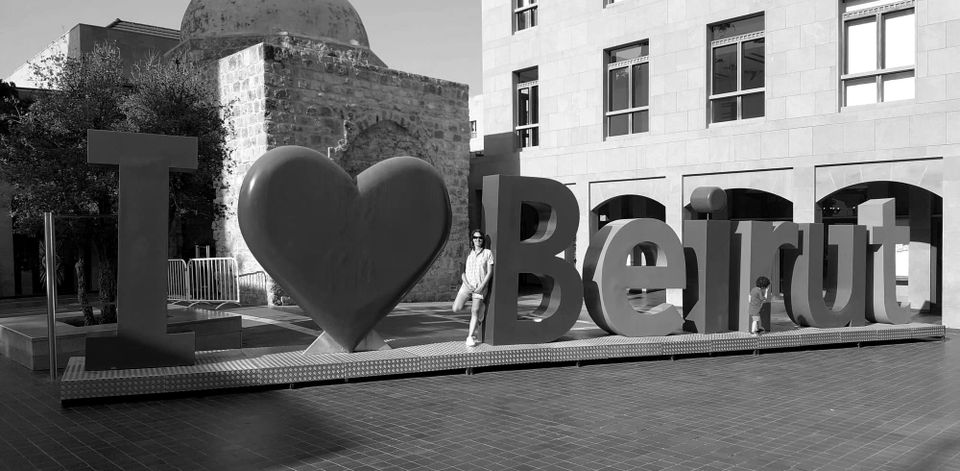
My family and my country’s history have always been intertwined with war.
My parents fled the Lebanese Civil War when I was two. They lived through things I still struggle to imagine. I was born in a hospital that was almost empty, on a day when the bombing was so intense that the doctor would not assist my mother, and left. Soon after, they fled into the mountains before eventually leaving the country and moving to France, looking for something more stable.
Growing up, I went back to Lebanon, again and again. Each time, I saw it differently.
As a child, it was family: watching TV with my grandpa, playing with my cousins, long summers at the beach resort, and a sense of belonging that I felt in my bones.
As I got older, I began to see the country itself more clearly. Its cultural depth. Its contradictions. The intelligence and warmth of its people. The juxtaposition of modernity and third world country infrastructure. A place where history is present everywhere you look.
Lebanon carries layers of civilization that stretch back thousands of years. The ancient Phoenicians, who inhabited the region - called the Levant back then -developed one of the earliest alphabets: an innovation that shaped written language across the world.
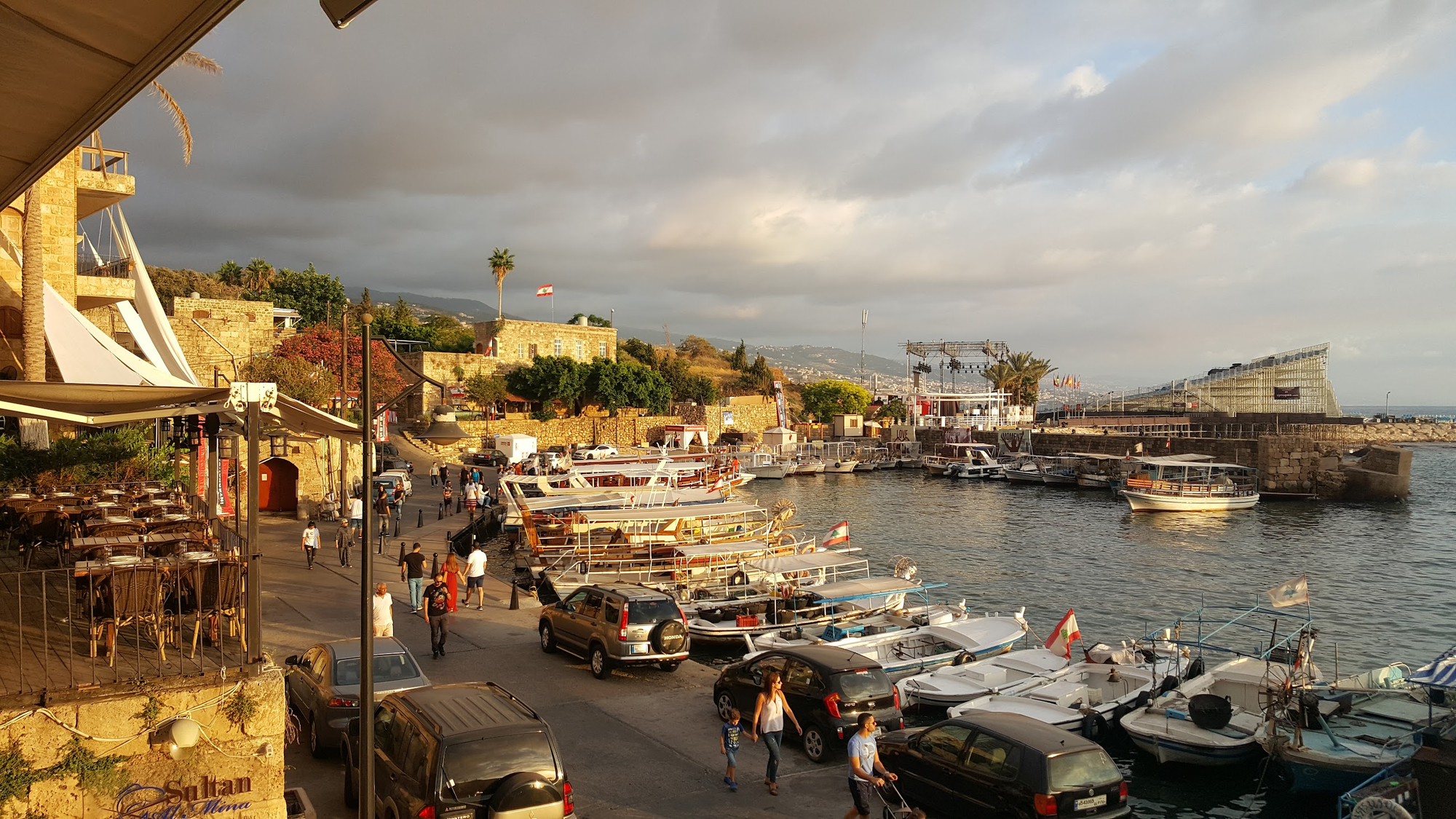
One of my favorite places is Byblos, just north of Beirut. It’s one of the world's oldest continuously inhabited cities in the world. I loved the temple overlooking the sea, the narrow souk filled with artisans, and the slow pace of a late summer afternoon ending with dinner by the port with my cousins.
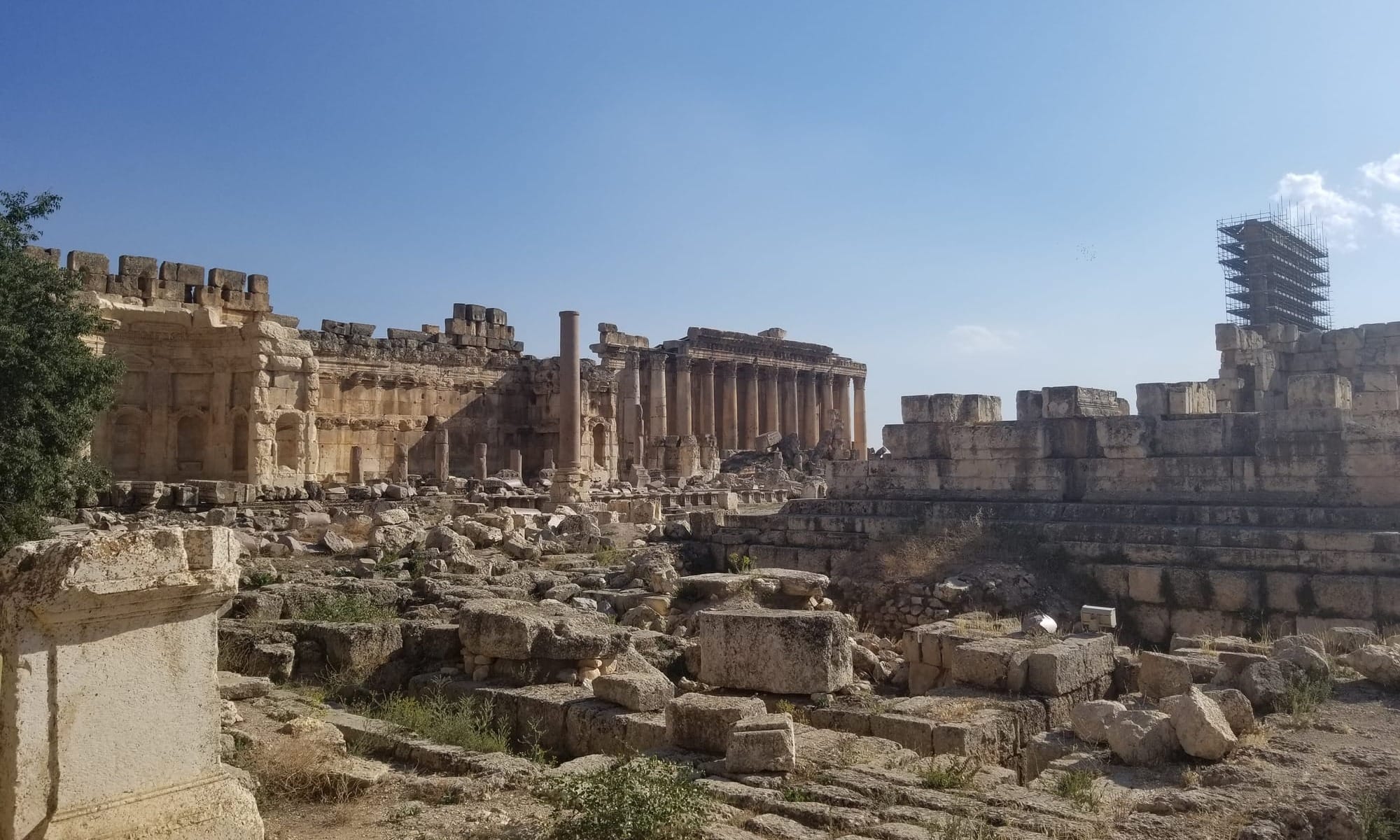
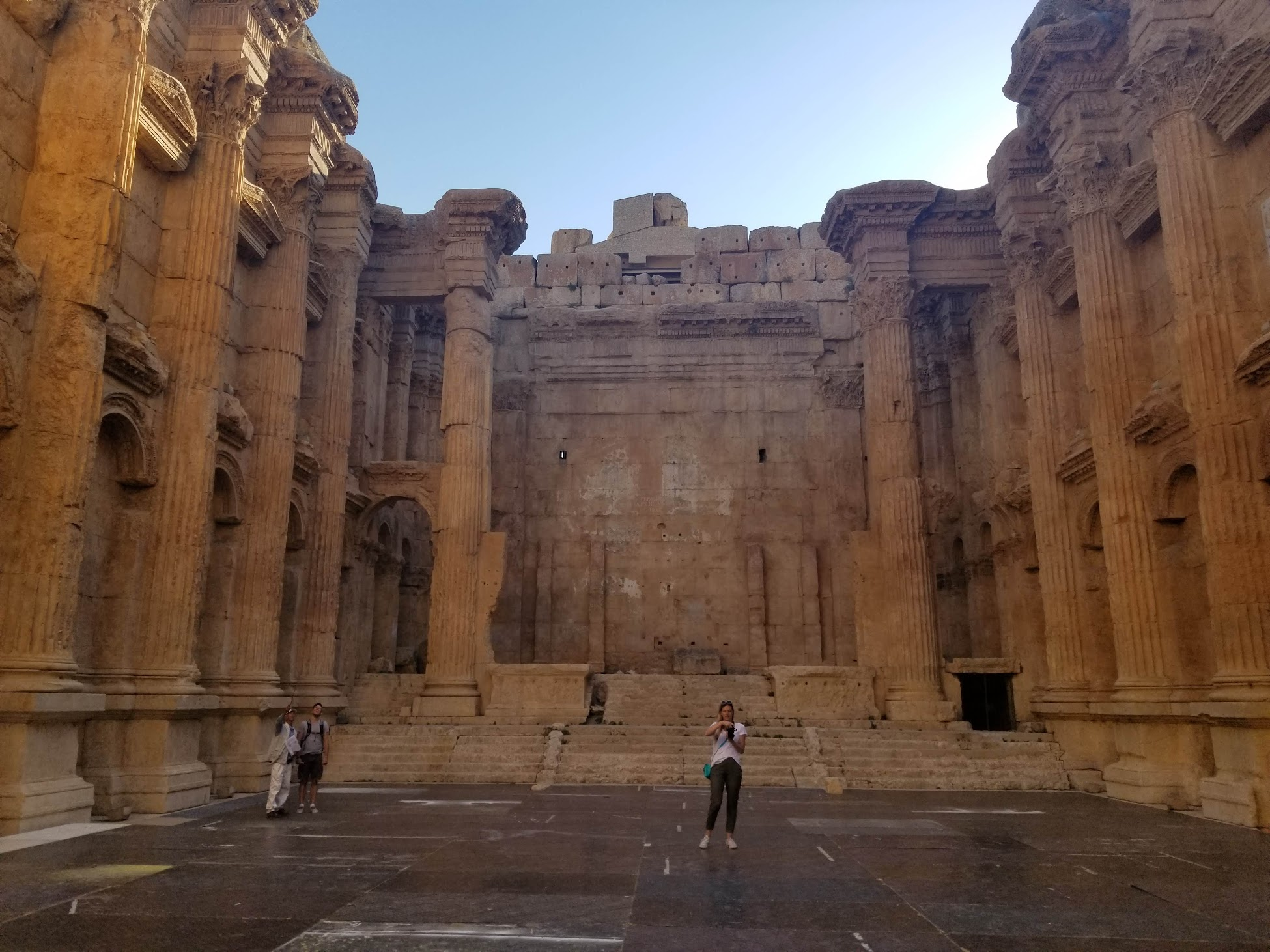
I remember visiting Baalbek in the summer of 2021 and being astonished by its massive Roman temple: the temple of Jupiter. It holds some of the biggest stones known to man, weighing up to 1,000 metric tons each. We still don’t quite understand how they got transported there.
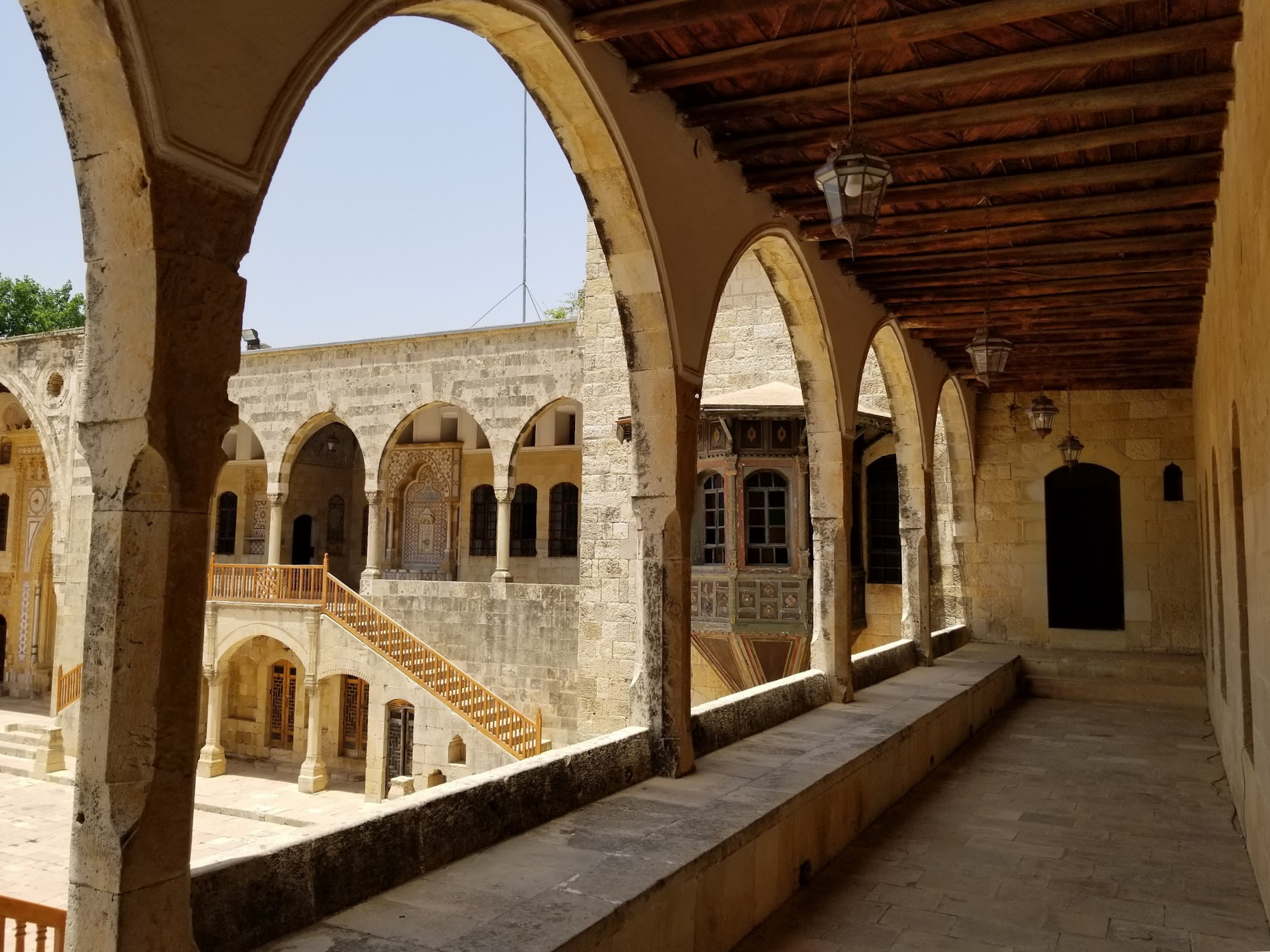
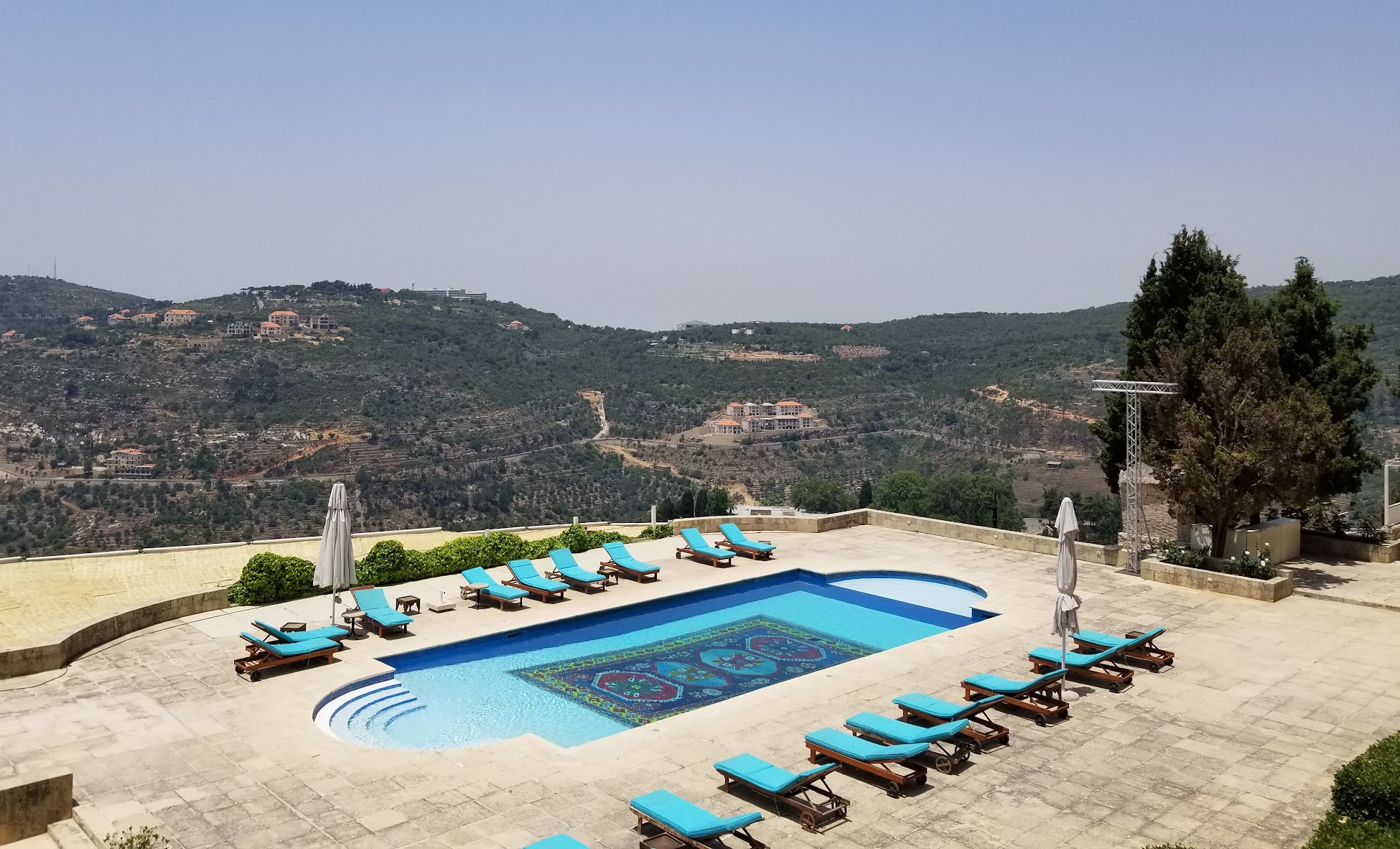
In the mountains, centuries-old monasteries are carved into stone. I remember my grandmother taking me to lunch at an old palace that once belonged to an emir, now transformed into a boutique hotel. I don’t remember what we ate, but I remember everything about the space: the colors of the rooms, the arches, the stillness, the pool mosaic overlooking the valley. It stayed with me.
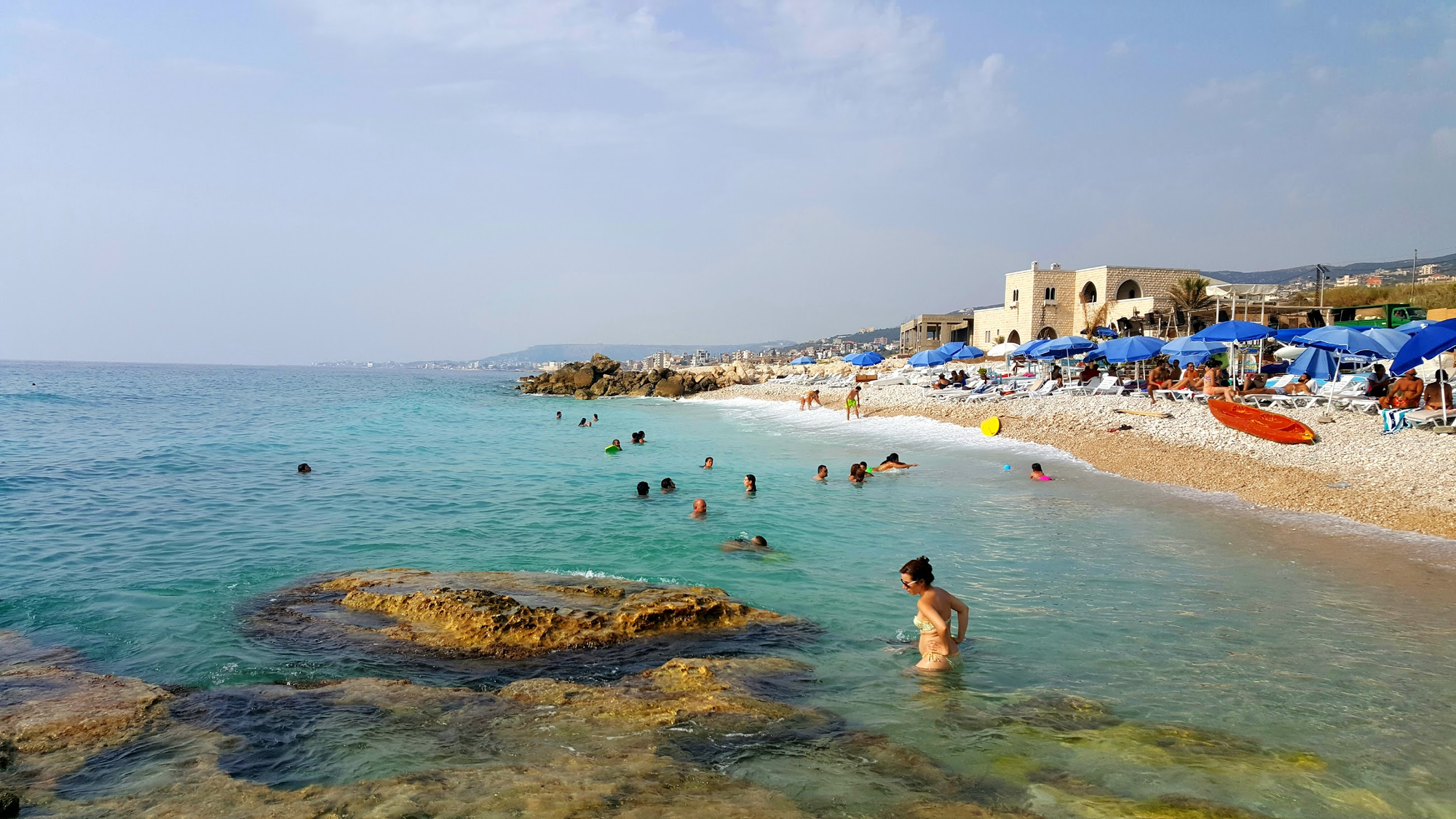
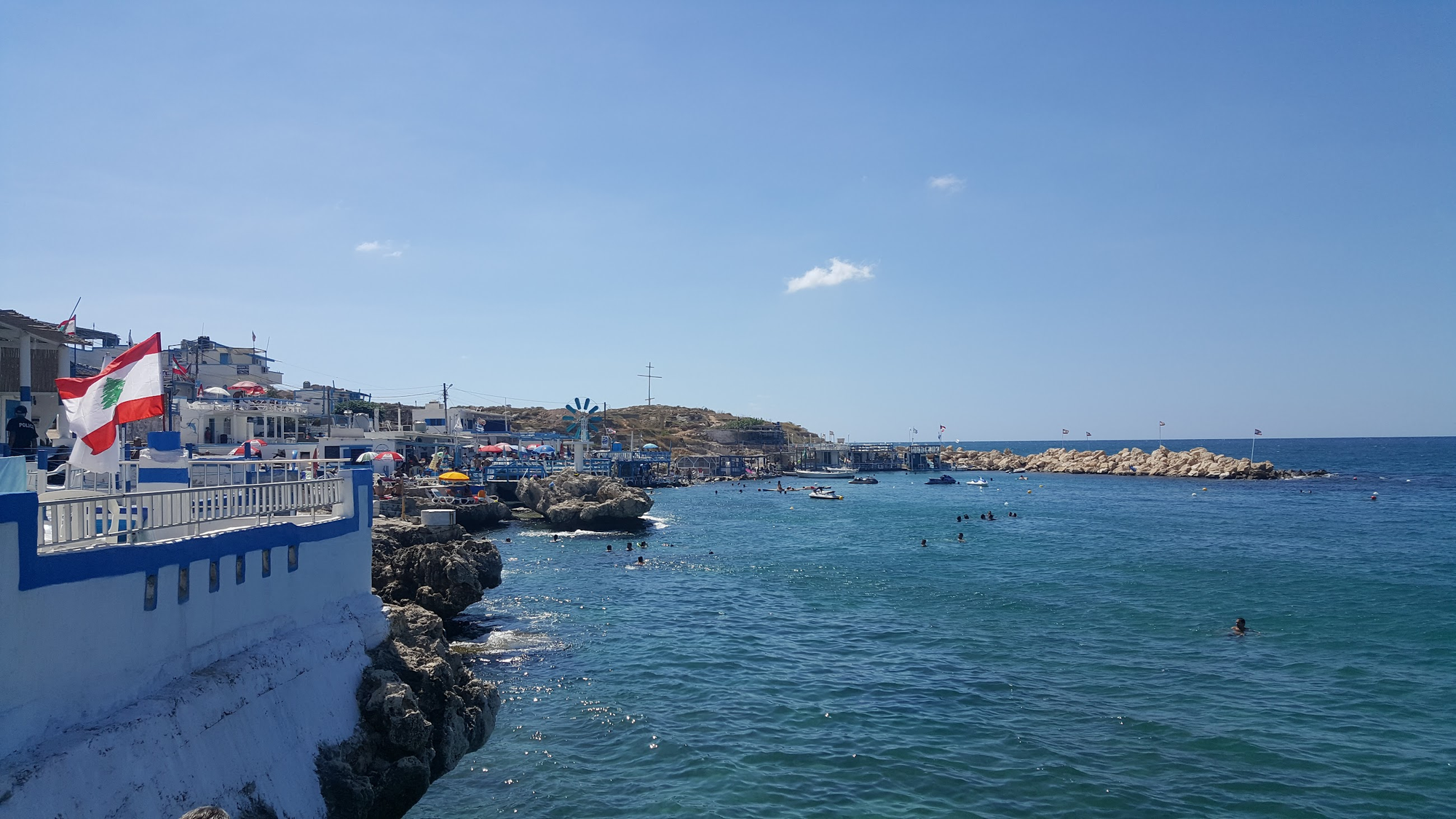
And then there is the landscape itself. The Mediterranean sea stretches along the edge of the country, where we’d spend days with my cousins, salt on the skin and hours by the water.
Just inland, the mountains rise abruptly, close enough that you can drive between sea and eternal snow in a single day.
Lebanon is full of contrast: coastal cities feel open, fast, and modern. And villages in the mountain feel quiet and peaceful, almost from another time.
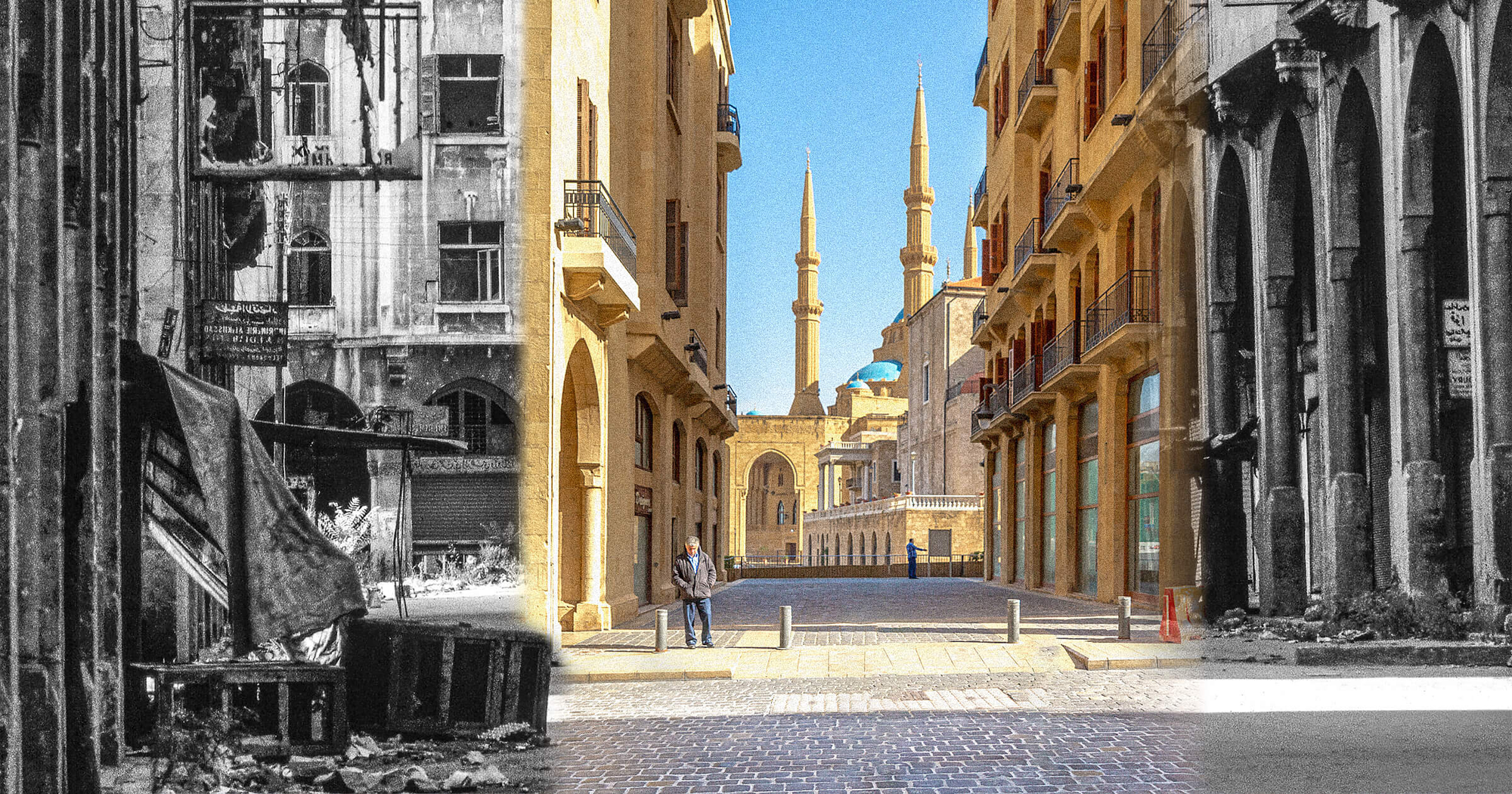
Beirut, especially, showcases that evolving modernity. It’s dense, creative, lively (it prides itself for having the best nightlife in the region) and architecturally stunning. Under construction for decades, it was re-built after the civil war following the blueprint of its old architecture.
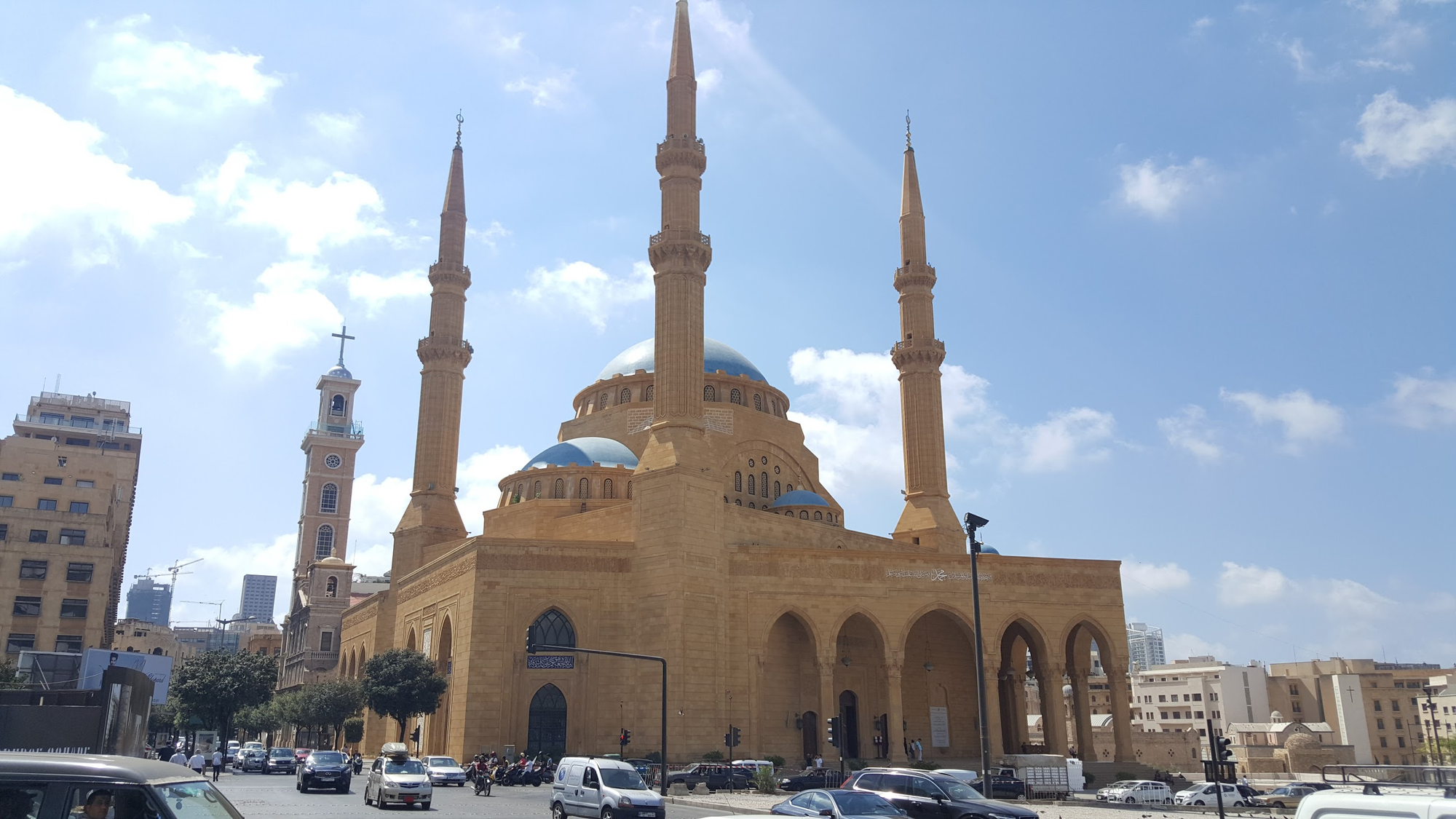
It is also a country of unique religious diversity in the region: Christians, Sunni and Shiite Muslims, Druze all formally coexist. That diversity has been a source of richness, and also of tension. But it has always been part of what makes Lebanon, Lebanon.
I witnessed its more recent history from the perspective of my own life. The years of Syrian presence. The traffic checkpoints. The sense of constraint integrated and normalized into daily life.
And then 2005: the Cedar Revolution. Following the assassination of the prime minister, people demonstrated peacefully in an act of civil resistance, and Syrian troops withdrew.
I remember the wave of change. The hope, especially in younger generations - my generation. There was a felt sense of agency. A belief that the country might finally turn a page.
For a while, it really felt possible.
But over time, things unraveled again.
In 2019, a financial collapse wiped out people’s savings partly due to government corruption, and threw the country in a terrible recession.
In 2020, the Beirut Port Explosion, one of the most powerful man-made, non-nuclear explosions in history shook the capital and killed hundreds, leaving scars beyond the human toll. It left a wound that hasn’t fully closed.
Around this, the country has also felt, and many times carried the weight of regional instability. It hosted millions of refugees fleeing the war in Syria, a devastating conflict that displaced millions and changed an entire nation. Lebanon has also, for decades, been molded by the presence of Palestinian refugees caused by earlier waves of displacement. Lebanon is shaped by conflicts in the region that repeated across generations, each time leaving new fractures layered onto old ones.
Over the past few years, I’ve watched the younger generation in my family begin to leave.
Not because they wanted to, necessarily. But because they had to: for stability. For mental health. For the possibility of building something safer and more stable.
And still, part of me held on to the hope that things could stabilize, and get better.
But lately, it feels like the opposite.
Today, I watch Lebanon hurt. I watch the broader region fracture and bleed. And some days, the weight of it all feels too heavy. It makes it hard to go on as if everything was "normal".
There are emotions in this moment that I don’t fully know how to express.
Beirut comes close.
It's deeply sad and powerful. It's as if the music itself is trying to process something too heavy to contain.
There is a point where language stops conveying meaning. Where understanding doesn’t soothe the pain.
And what’s left is more basic: the recognition of human suffering, at scale.
This is not a political argument. It is a human reaction.
A reaction to destruction, to displacement, to the repeated normalization of violence and dehumanization. A reaction to the way people, anywhere, can slowly become abstractions instead of lives.
Our history is filled with moments like this: cycles of war, expansion, destruction, and reconstruction. Humanity has tried to learn from them, to build frameworks, laws, agreements meant to prevent those horrifying events from repeating.
And yet, it continues.
And I know it’s not simple. But complexity can be a trap: it makes it easier to justify, to deflect responsibility, to lose sight of the human truth underneath.
And I don’t have a solution or an argument for that.
But I feel a responsibility to not lose contact with my humanity. To stay connected to what is happening, without turning away, or numbing.
To let the grief exist, to let the sadness take over, without trying to fix it, or escape it.
Because the grief itself tells us something.
It tells us what needs to be felt inside. It connects us to our humanity.
My heart breaks.
And it should.
Member discussion