What Took You So Long
"I'm going to go meditate on that."
Not: "I'm going to think about it."
One of my friends and coaches, Rakshita, gave me that answer during a retreat in Nicaragua earlier this year.
It made me laugh, but it also made me notice something important.
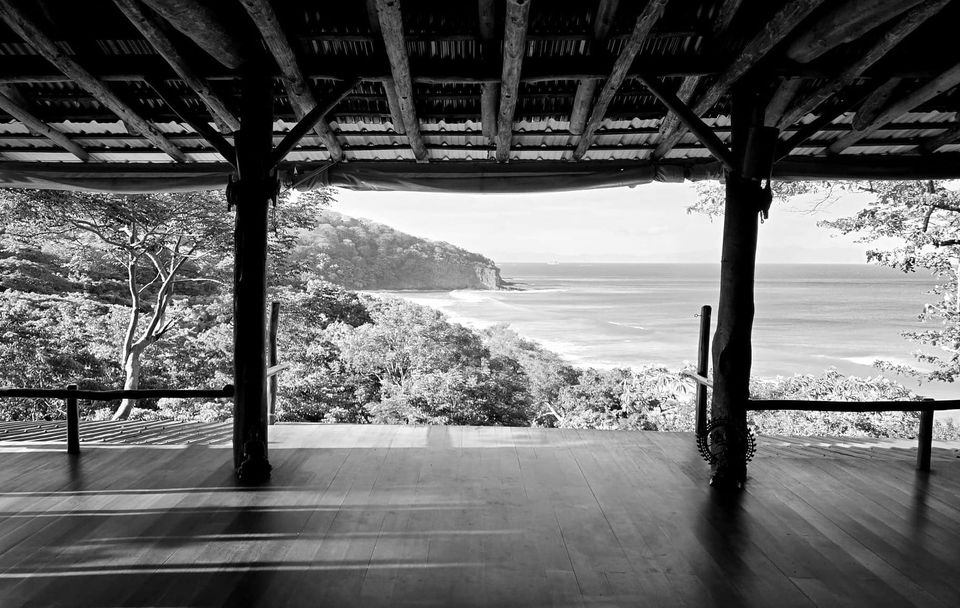
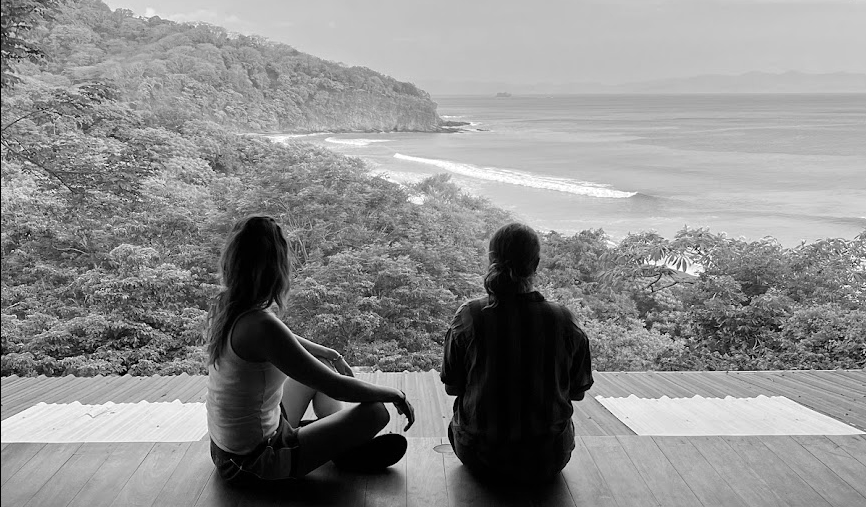
Every year, I travel to Latin America for surf, yoga, and spiritual practice. This time, I returned to Costa Dulce, an eco-resort in Nicaragua to reconnect with friends I had met there the year before, and join Duo, a retreat led by two of them: Rakshita and Mason.
It was life-changing.
During that same retreat, Mason asked me a different question: What habit will you be happy you picked up when you look back a year from now?
I thought about it. A lot.
That was my first mistake.
It turns out some of our best answers come to us not by thinking hard but by creating enough space for them to emerge.
Not everything can be thought through. Of course, the mind has a role in decision-making. But it is only one part of our system. It cannot always access what the body knows, what the subconscious holds, or what our emotions are trying to communicate.
Sometimes the answer is already present underneath conscious thought, and our job is to create enough space for it to surface.
When we rely on our mind alone, we may leave out entire parts of ourselves.
And if you are an overthinker like me, you know how draining that way of functioning is.
So after journaling about what I wanted to implement over the next year — and giving myself the illusion that I had done a very good job arriving at a final answer — I let things unfold.
Here's what happened.
First, something that was not written down at all stayed with me: I started walking barefoot.
I had never done that before and never imagined I would. I have spent my entire life in sneakers, so the skin on my feet is as polished and soft as a baby’s. I can barely walk on a paved road, let alone rocks. That shit hurts way too much.
But Mason encouraged me not to wear shoes while we did strength training at the gym. And I kind of loved it.
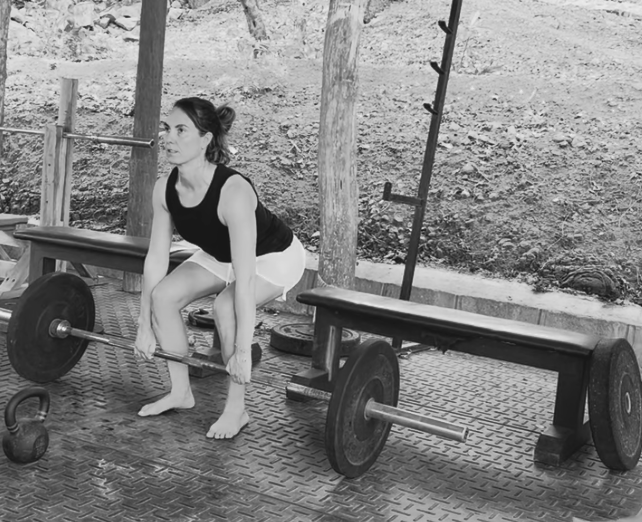
Training barefoot required me to find my balance more intentionally. Walking around without shoes made every step feel more grounding, even if I stubbed my toes one too many times. It forced me to pay attention to where I put my feet. And to stay off my phone (ouch).
Now I train barefoot at my gym back in Venice, and I walk around my neighborhood barefoot sometimes. Thankfully, I live by the beach, so it’s not too weird. More importantly, there are no rocks. So it’s bearable.
I love skateboarding barefoot to my favorite coffee shop: feeling the rough, sandpaper-like grip tape beneath my feet, then the cold tile floor of the coffee shop, the warmth of the sand on the beach where I drink my coffee, and the wet grass leading up to it in the morning.
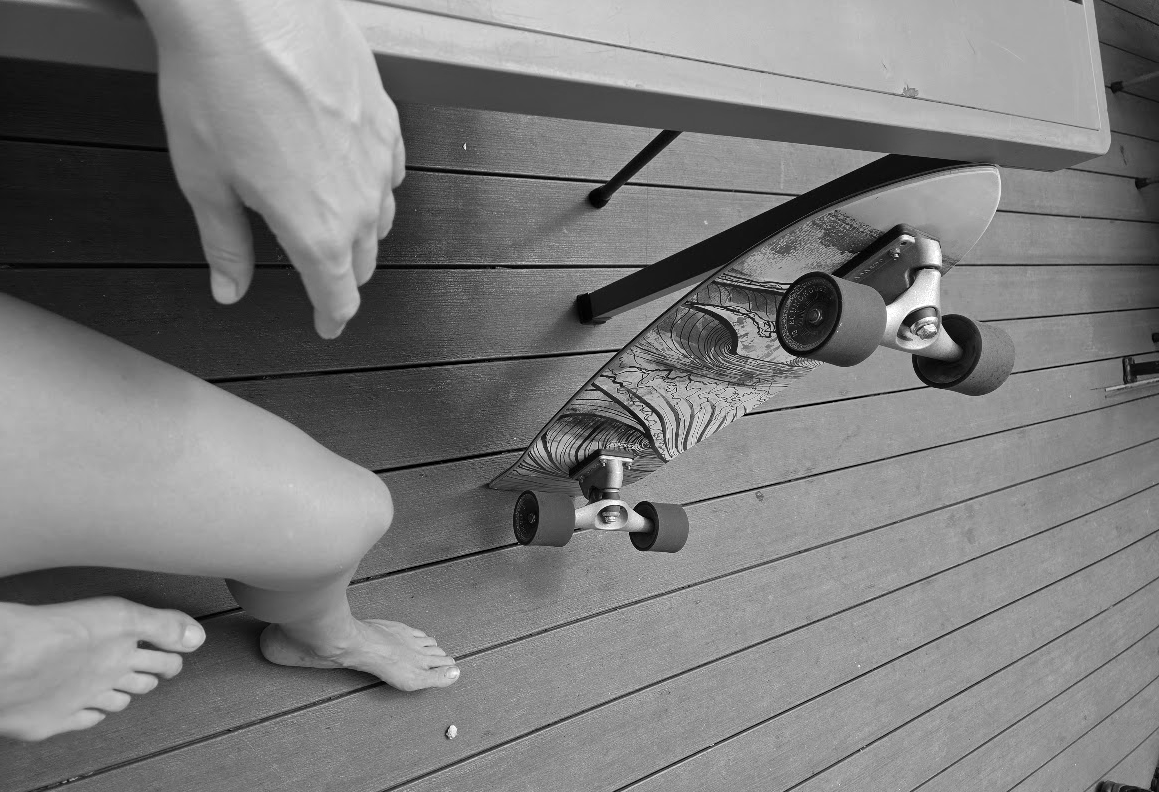
It makes me feel freer. More grounded.
And it’s fun.
Second, I picked up meditation.
It is something I had never been able to implement consistently. I was introduced to meditation and breathwork a few years ago and immediately saw the value: the calm and space they create internally. My therapist had been telling me to do it for over a year. But my neurodivergent brain really resisted sitting still.
So, what changed?
First, the retreat itself showed me I could do it. We were asked to spend an hour and a half meditating and practicing yoga first thing every morning. Instead of grabbing my coffee and heading straight to the gym to lift heavy, I sat with it. I closed my eyes, and focused on my breath, the chirping of birds, and the waves crashing nearby.
I grounded myself in my body. Felt every area of tension.
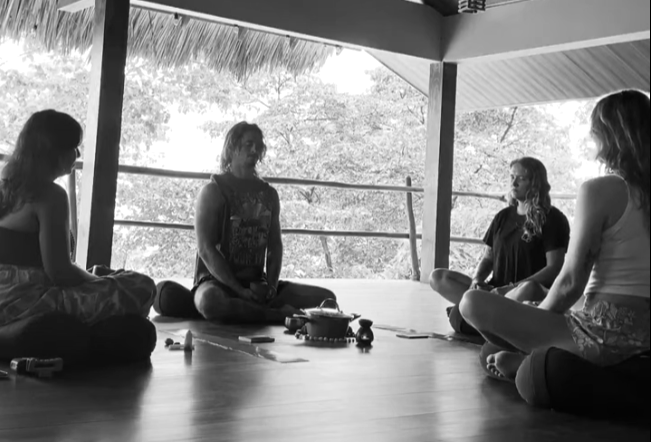
That felt very different from loading up a 140-pound squat first thing in the morning.
If I could do an hour and a half there, surely I could spend fifteen to twenty minutes meditating first thing at home, before my brain fully boots up and starts firing a thousand ideas about what to do that day.
Until then, the best way for me to access sharp focus and presence was a cold plunge. 40 degrees is shockingly cold and leaves no choice but to focus on the body and breathing to regulate.
So contrast therapy became a weekly practice. Meditation never did.
Until now.
As someone whose anxiety often took the form of trying to figure everything out in advance, meditation creates a space where I am fully present with myself. It grounds me in the body.
It reminds me that nothing needs to be solved in this moment. That the only thing I can control is myself. It helps me detach from what is outside my control and trust my response.
Since coming home, I’ve felt calmer and more connected to myself.
Rakshita shared a poem with us after the retreat: John Roedel’s “My Brain and Heart Divorced.” I think about it often.
It's about a person whose mind and heart have been at war for so long that they divorce and share custody of the self. The heart is stuck grieving the past. The mind is stuck bracing for the future. Exhausted by both, the narrator seeks refuge in the one part of themselves that is neither relitigating the past nor preparing for the future: the breath.
The lungs, where there is no yesterday and no tomorrow.
Only now.
this morning,
while my brain
was busy reading
tea leaves
and while my
heart was staring
at old photographs
I packed a little
bag and walked
to the door of
my lungs
before I could even knock
she opened the door
with a smile and as
a gust of air embraced me
she said
“what took you so long?”
Excerpt of "My Brain and Heart Divorced", by John Roedel (johnroedel.com)
Maybe meditation does not just give us better answers. Maybe it gives us somewhere to go while the rest of us works itself out.
I’m curious to see who I become a year from now.
Member discussion