Syncin' In
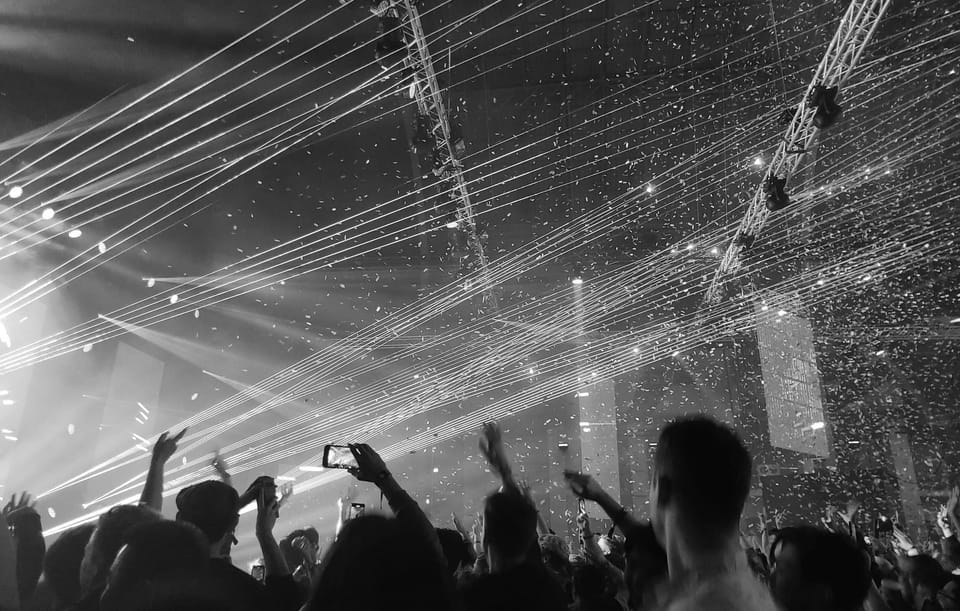
“Music is not something you can use words to describe. Music is either in the air and you find it, or it is in the air and you don’t find it (…) You can be educated about everything there is to do with music, and you are still zero. Until you let go of what holds you back." Keith Jarrett
Three months ago, I went to a four-day all-women spiritual, arts, and music gathering with strong Burning Man energy. Every night, a lineup of incredible DJs lit up a barn tucked into the hills, and every night, I danced until the music stopped.
It was October 2025, and I hadn’t felt this alive in a long time.
I was exhausted, running on a few hours of sleep two nights in a row, but the energy of the people and the music kept carrying me. Gold Dust’s theme that year was Ignite. Damn right.
I wasn’t sure what had done it. The music. The people. Where I was in my life. Maybe all of it.
What I figured out later is that it had as much to do with my personal history and taste as it did with something more universal: the way rhythm, movement/dance, and pleasure work in the body.
We dance when the body recognizes itself in the beat.
RYHTHM, INHERITED
Music has always been part of my life.
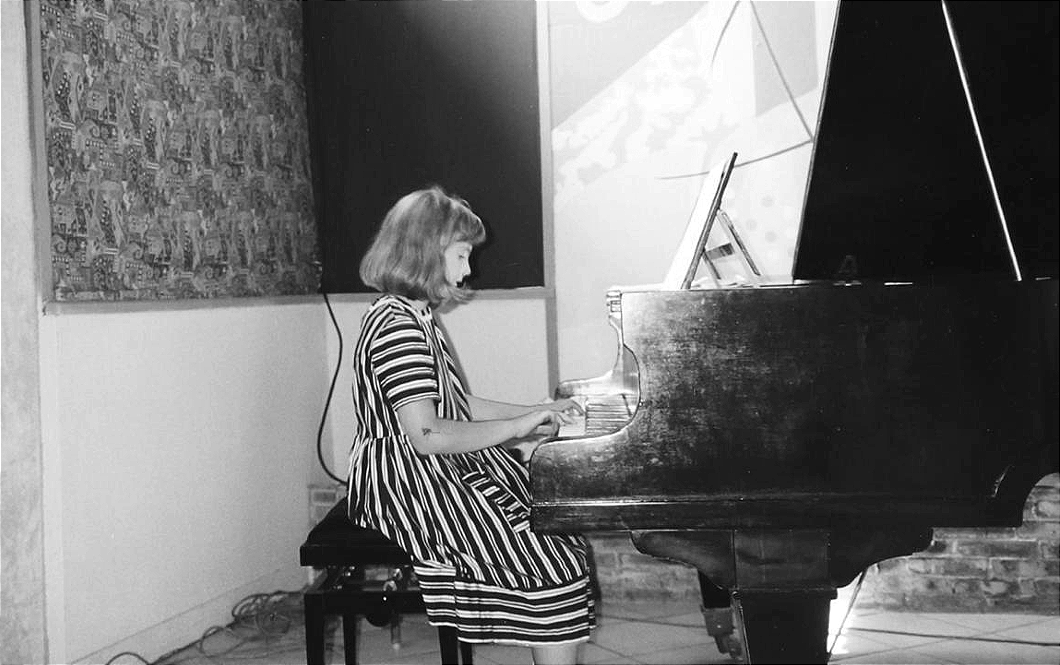
As a kid, I’d watch my dad play the piano in the evenings. When he played, the world disappeared around him. If you spoke to him, he’d look up, smile, and keep playing. You learned to wait.
He grew up playing in a band in Lebanon, and music was ever-present in the house: Eric Clapton, Dire Straits, Supertramp, Deep Purple.
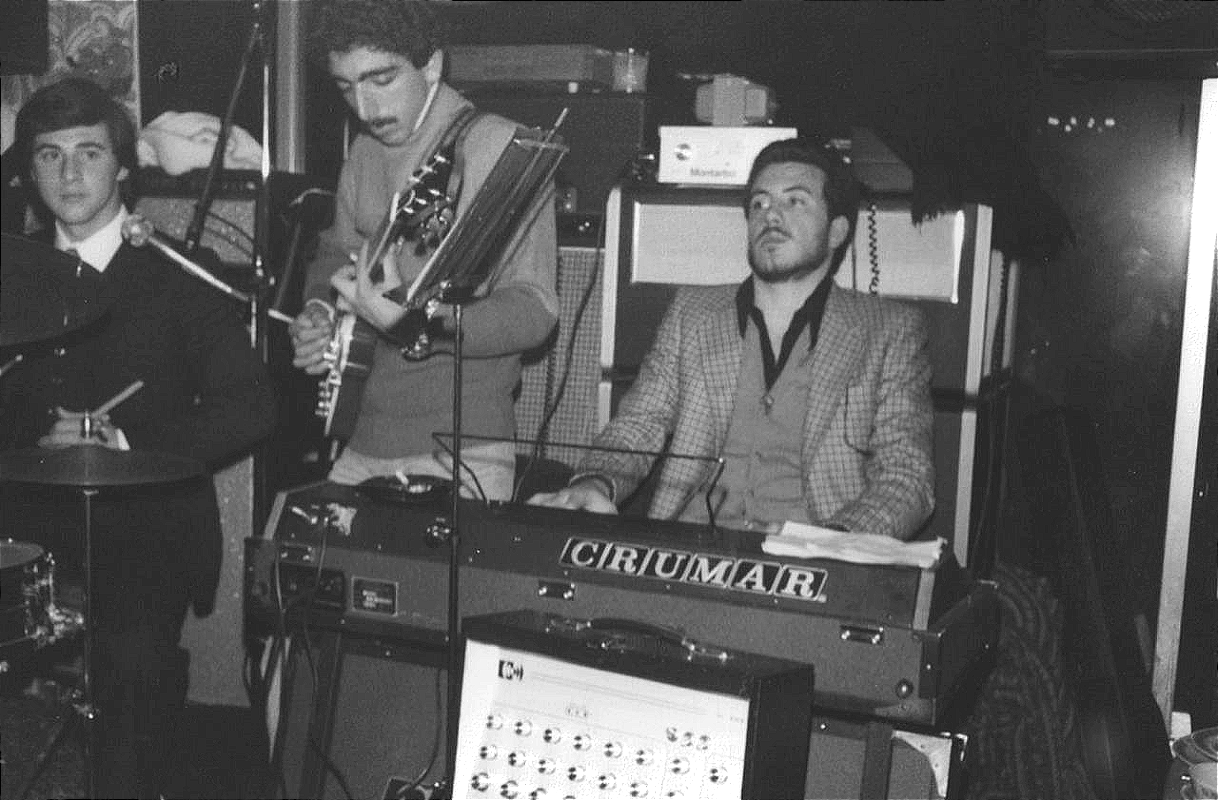
There was a rule: you had to learn piano for at least two years, then you could pick your instrument. I chose the violin. I never learned music theory. I played by ear.
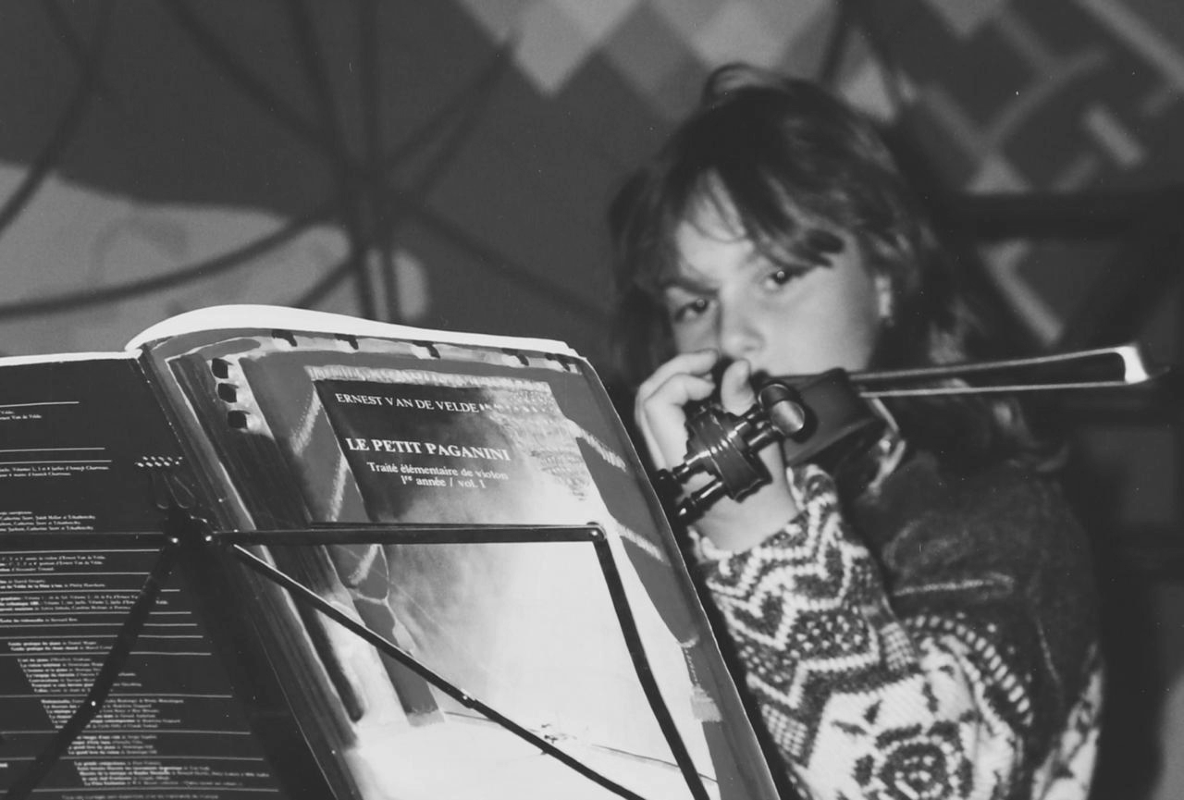
When my violin teacher asked me to study theory if I wanted to continue. I said no. So… piano it was.
By twelve or fourteen, I was dancing alone in my room to ’90s Euro techno: Gigi D’Agostino, La Bouche, Darude, shaking my body when no one could see me.
I felt music in my body before I knew what it'd mean to me.
My teenage years, like many people, were woven in music.
Skipping school at sixteen, riding on the back of my best friend’s Vespa, with Where Is My Mind playing.
Watching my brother start his punk band and blasting Blink-182 and NOFX through the house.
Falling into metal —System of a Down, Rammstein, Tool—and roaming European festivals in the summer. I’d headbang until my neck couldn’t move. It was catharsis. A way to discharge anger, frustration, tension.
In my mid-twenties, moving to San Francisco reconnected me with electronic music. Shows, parties, dancing all night. Music as release from overworking, overthinking, trying to do more than to be.
But catharsis isn’t expression. It’s pressure relief.
As I started doing internal work, shifting from chaos and reactivity toward grounding and peace, I started stepping away from that mode.
The pandemic hit. I took on leadership. I entered a relationship I deeply cared about.
I thought it was time to calm down. Tame the beast. Be “an adult”.
OUT OF SYNC
My first post-pandemic concert was Rufus Du Sol in LA in 2021. It was magical. After so long without human contact, watching a massive crowd move and chant in unison felt so…human. You could feel the stadium vibrate.
But something was off.
My partner wasn’t feeling great, and we couldn’t fully drop in together. In hindsight, that night encapsulated my experience with live music for the next couple of years.
I went to shows that weren’t really my taste. Pop. Indie. Concerts I wanted to enjoy because music is music. I kept telling myself I should like it.
I listened to music constantly: piano and classical to focus and calm, folk and chill beats in the mornings, pop rock when I felt light, EDM to energize myself.
I still went out. I still danced.
But something in me wasn’t free.
It felt like I had lost touch with the soul of music. With myself.
Sometimes, in the name of growth, we try to shed parts of ourselves we think no longer belong. Often, that’s necessary. But sometimes we go too far.
I thought I needed to let go of the part of me that partied hard because I associated it with chaos and loss of control.
But spontaneity and creativity require a form of letting go that that can be conscious, and deliberate.
I didn’t know if the music no longer resonated with me, or if I outgrew that aliveness.
Mostly, I was bored.
And I needed something to light me back up.
IGNITION
Gold Dust did.
Shortly after my partner and I separated, I went looking for new energy—maybe connection, maybe experience, maybe nothing at all. Gold Dust Womxn is “a community-driven collective connecting women through safe and joyful events”. I went knowing almost no one.
The days were beautiful: connection, authenticity, generosity, support without judgment.
The nights were electric. I didn’t expect the music to be that good. Every DJ had her own signature, her own way of moving the room. And something happened to my body that felt entirely different from before.
I barely slept. And yet I couldn’t stop dancing.
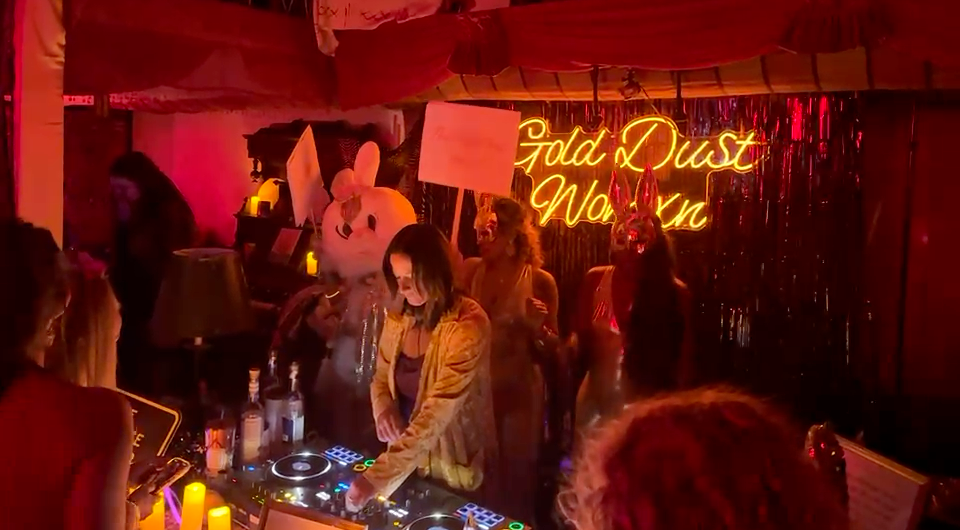
In the safety of an all-women space, without fear of judgment, my body effortlessly danced in ways it hadn’t before. I wasn't directing it. I was just along for the ride.
Someone said, “I can dance like I do alone in my apartment”. Yes! Except here, the room is full of women in bunny costumes shooting bubbles. The energy is electric. And contagious.
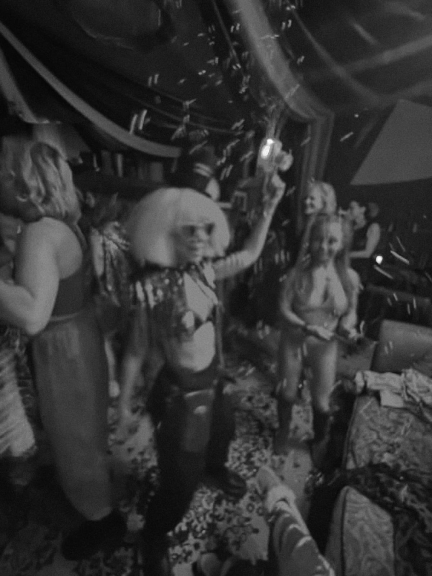
After that weekend, I kept going out: Mayan Warrior, Sweet Nectar Music shows, ecstatic dance events in Venice beach, Fleetmac Wood (not a typo) and more.

Same experience. Not a fluke.
So I started asking a different question: what is it about house and electronic music that makes my body move so effortlessly?
That’s when I came across a study from University College London.
GROOVY
The study examined how different qualities of music affect the urge to move. Participants listened to short clips that varied along two dimensions: how the rhythm plays with expectation, and how strong the bass is:
- The first is syncopation: when music slightly breaks the rules of the beat. Your brain expects the rhythm to land in a certain place. Syncopation delays it or skips it, creating a small moment of tension.
- The second is low-frequency amplitude, which pretty much means how strong the bass is. And low frequencies aren’t just heard, they’re felt (!). They travel through the body, the floor, the walls.
Groove was defined not as liking the music, but as a pleasurable sensorimotor state in which the listener feels compelled to move in time with the music.
The findings were conclusive: stronger bass and more rhythmic playfulness consistently increased groove across participants aged 18 to 70. And house music happens to be unusually dense in those features.
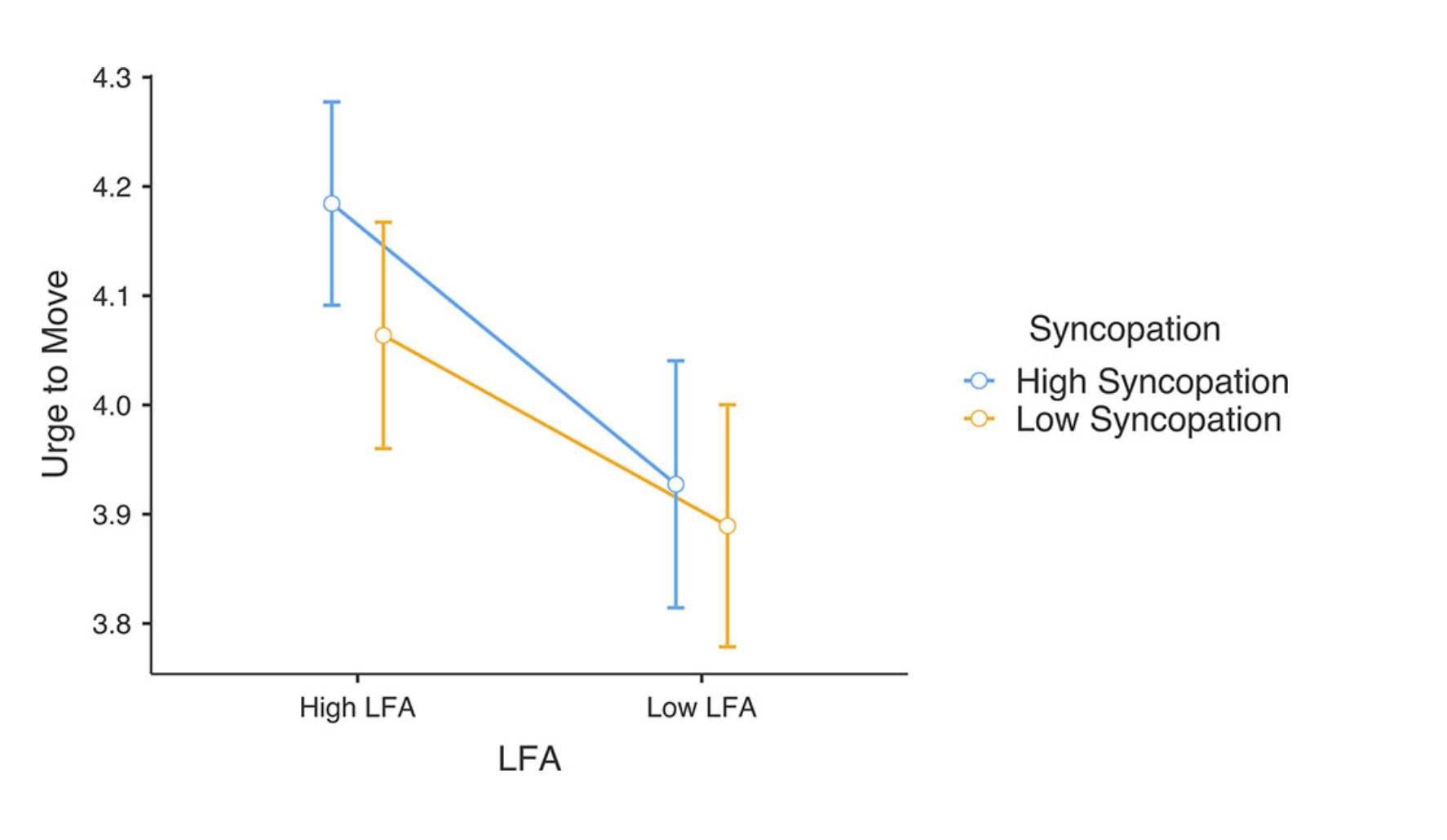
Groove emerges from prediction, disruption, and resolution: the brain expects the beat, syncopation creates tension, and the steady beat anchors the body again. In house music, the four-on-the-floor beat provides predictability, while syncopated basslines invite exploration.
Also, pleasure follows movement. Not the other way around.
Huh!
It turns out, what felt personal was also universal, and mechanical.
IN THE BEAT
Understanding this gave meaning to something that already felt true by the time I welcomed it back in.
This isn’t about age or stage of life. It’s about dancing as expression, and the kind of connection that happens when the body is in sync.
Sometimes we outgrow things because they no longer belong. Sometimes we abandon them because we think we should. But why let go of the shit that keeps us alive?
I’m no longer trying to outgrow this part of me. I’m integrating it.
Music has always been home for me. Not just because it soothes me and inspires me, but because it brings my body back online.
And when it does, everything else follows.
Member discussion